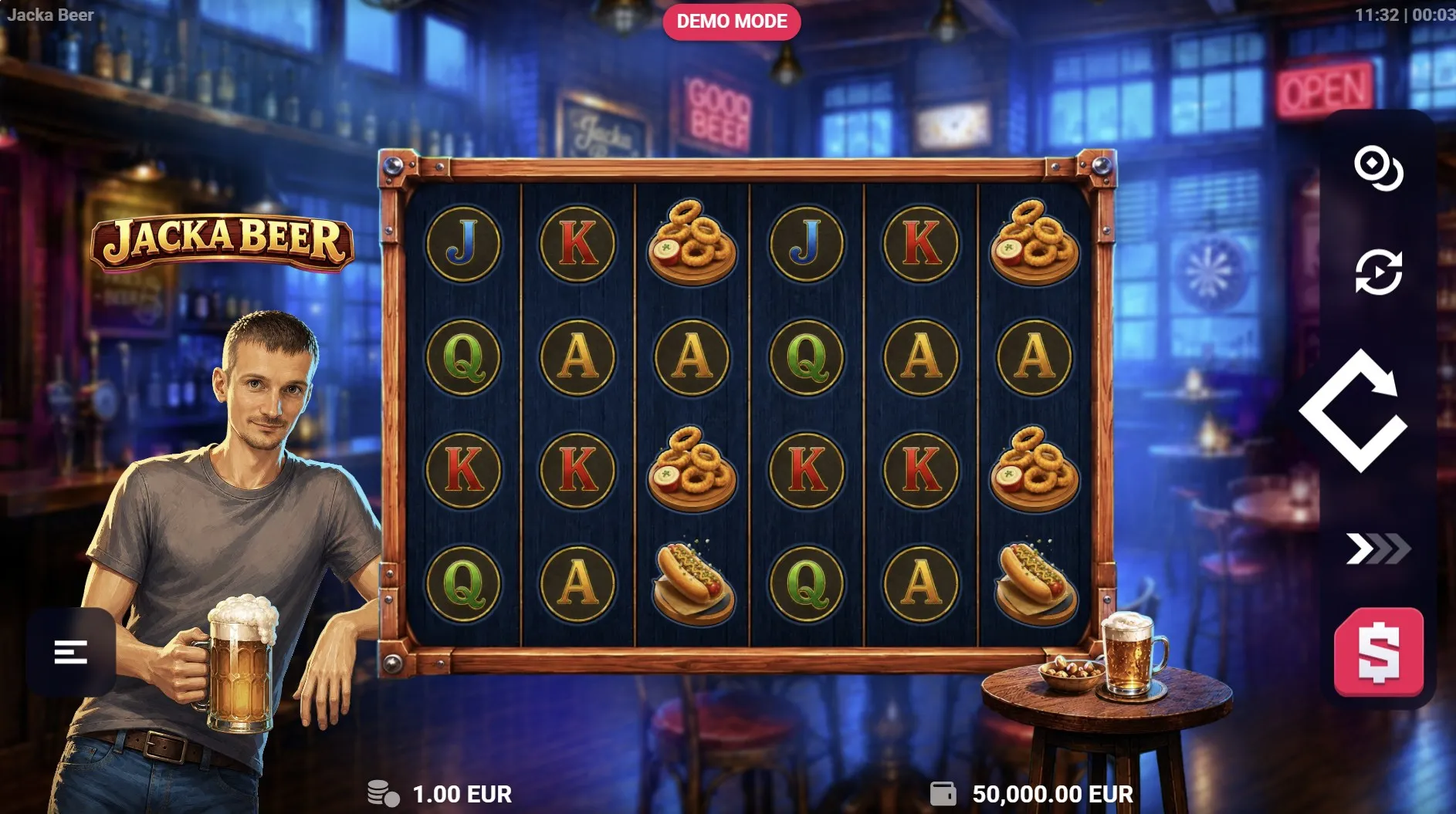
The artwork is only the invitation
Bells, presents and cookies make the collection feel connected. Yet a shared seasonal mood does not mean that symbols behave alike. A social casino game can use familiar pictures while giving each one a different job. Before reading a bright animation as progress, find the name of the game and its own help panel. That small pause separates what the screen suggests from what the rules actually explain.
The homepage describes Merry Giftmas, Jingle Coins and 25 Cookies with different grid sizes and feature language. Those descriptions offer a useful introduction, not a complete account of every round. In September 2026, the practical reading task is still to match the description to the game that opens. If a title or feature label differs, leave the question open rather than carrying a rule across from another game.
Turn a feature name into a question
Hold and Win sounds like a complete instruction, but the name alone leaves plenty unsaid. Which symbols count, where must they appear, and what starts the feature? A social casino help panel may explain those conditions in separate places. Read the trigger and the feature behaviour together. A picture showing a possible arrangement does not establish how frequently that arrangement will appear during your session.
A short reading sequence
- Check the title inside the game before using notes from its homepage card.
- Find the symbol key and distinguish ordinary symbols from feature symbols.
- Read the whole trigger sentence, including any position or combination requirement.
- Locate the explanation of how the feature ends before returning to the round.
Small connecting words deserve attention. A condition using “and” asks for a combination; one using “or” may describe alternatives. The word “any” needs its surrounding sentence, especially where a particular row is mentioned. Avoid filling gaps from memory. You can understand the broad idea of a social casino feature and still need to check one detail before explaining it to somebody else.
Try restating a condition in your own words while the help panel is open. If the sentence names a row, point to that row in the diagram; if it names a symbol, match the picture to its label. Then check whether your explanation includes every condition in the original wording. This is a reading exercise, not a way to influence play. If the diagram and sentence seem inconsistent, keep a note of the exact question instead of choosing whichever version sounds more generous.
| Clue | Useful question |
|---|---|
| Grid size | Where does the rule require symbols? |
| Collect symbol | What does the help panel say it collects? |
| Multiplier | Which displayed amount does it affect? |
A celebration needs a unit
A large result can be visually exciting without representing money you can withdraw. This site describes its games as entertainment using virtual currency with no monetary value. Keep that context beside the feature wording. A social casino result belongs to the rules and units shown in that game; it is not evidence of income, and a memorable round does not tell you what the next one will contain.
- Read the unit beside a balance instead of relying on the size of its digits.
- Distinguish a round result from the total balance remaining on screen.
- Keep an unanswered rule question separate from a guess about future results.
If you discuss a feature with a friend, describe the condition you found rather than promising an outcome. Our article on talking about games develops that approach. If the screen changes while you are away, finding your place again starts with checking the visible state.
Author’s opinion
I prefer a clearly understood feature to a confidently repeated guess. For me, social casino reading is most useful when it makes the next decision ordinary: continue because the game is enjoyable, look up an unclear term, or leave. The festive artwork can provide the mood while the help text supplies the explanation. Neither needs to become a promise about the next round.